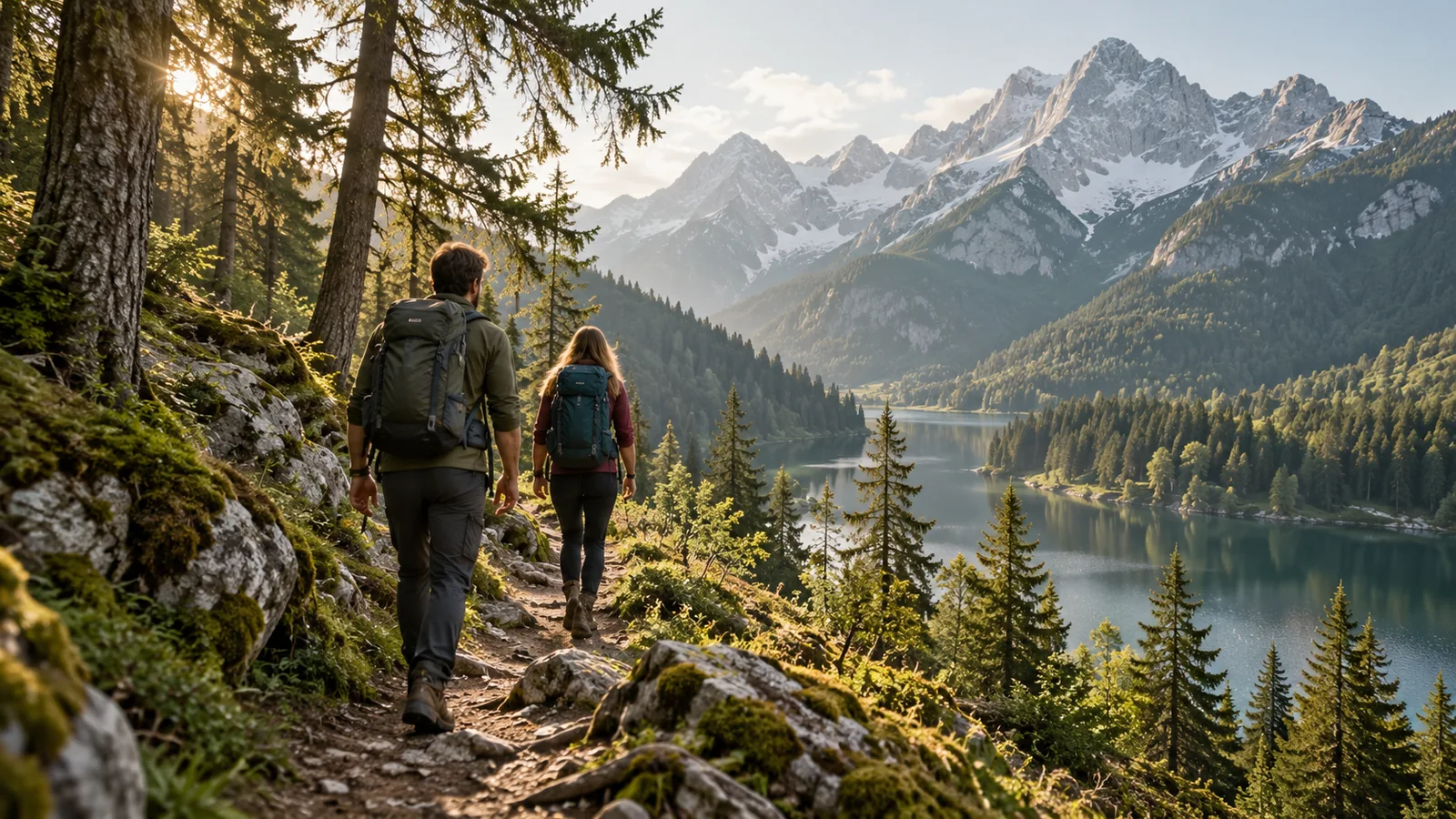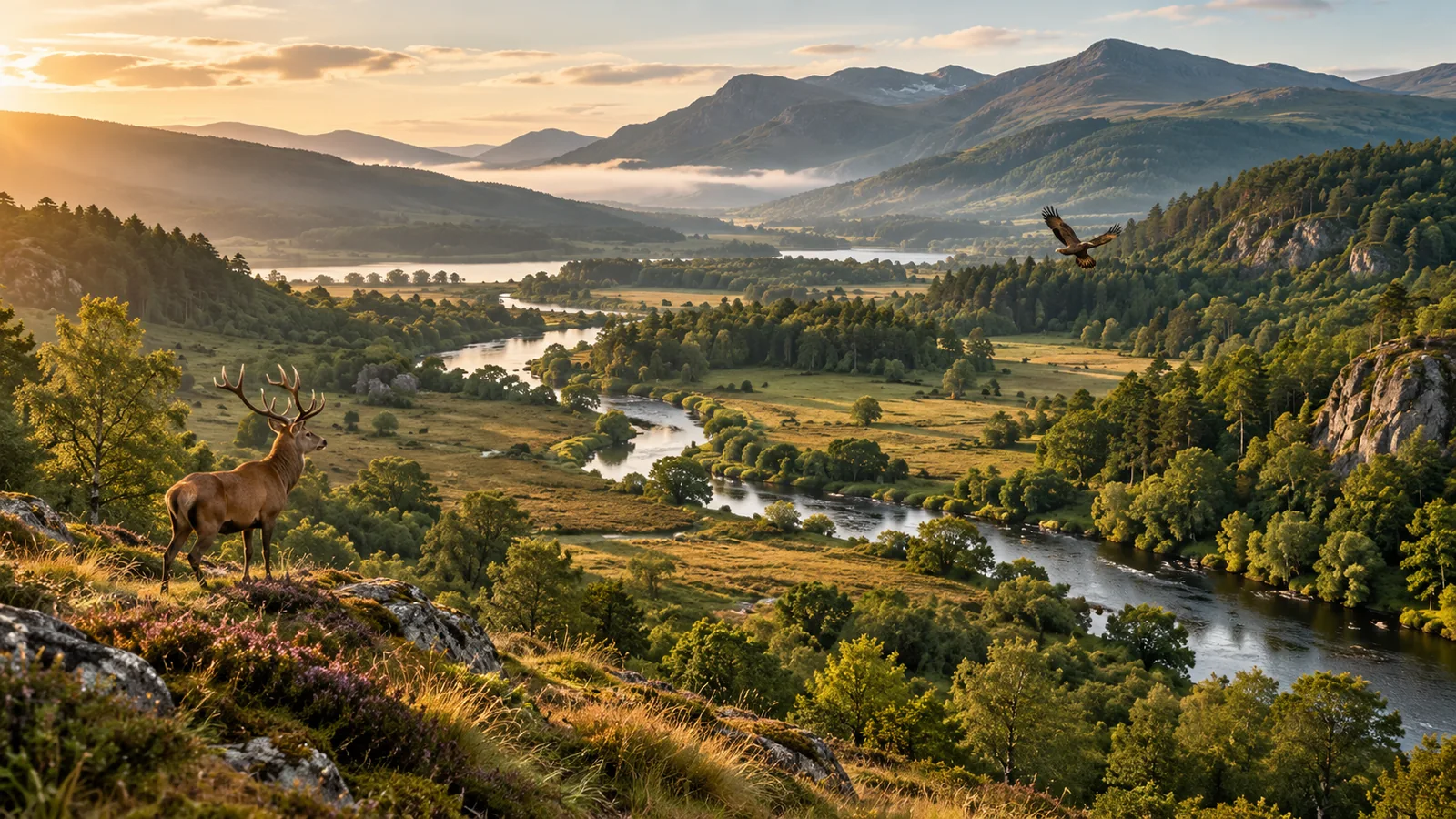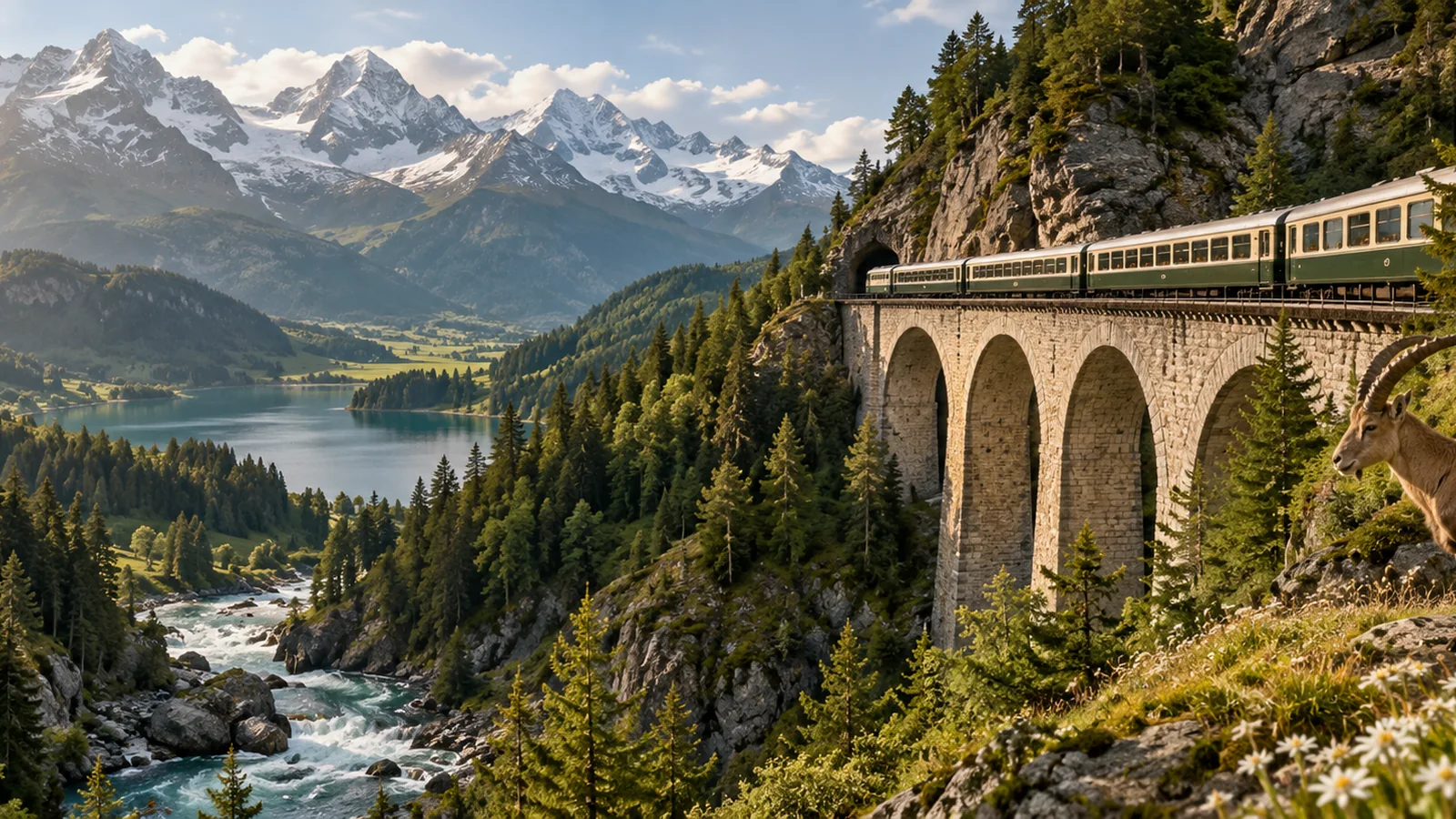
A flight-free European wildlife trip works best when planned backward from the countryside. Identify the trailhead, guide or guesthouse first, establish the final transfer, and then connect it with long-distance trains. Rail can make the journey part of the holiday, but it cannot remove every last-mile gap or guarantee a simple itinerary.
Begin at the destination, not the departure board
A station name that looks close on a map may be separated from the park by mountains, a border or an infrequent bus. Ask your accommodation or activity provider which gateway actually works. Request a meeting point and realistic transfer options rather than just a distance.
Then decide how many bases the trip needs. One forest region explored well may be more satisfying than several countries linked by rushed connections. The fewer fixed appointments you place immediately after travel days, the easier it is to adapt to disruption without losing the purpose of the holiday.
Build the journey in separate layers
The long-distance section
Research international and intercity trains through the relevant operators. Check the actual travel date, connection time and whether tickets are sold as one journey or separate contracts. A route shown by a journey planner is not automatically a protected connection.
The regional connection
Check local trains and buses separately if they are not clearly included. Compare weekday, weekend and holiday service. A rural bus may run at times that serve residents rather than arriving tourists. Do not rely on an undated timetable image from a travel blog.
The final transfer
Confirm who provides the transfer, where the vehicle can meet you and what happens after a delay. Ask about mobility access, child seats or bulky equipment if relevant. These details are easier to solve before departure than on an unfamiliar station platform.
Treat reservations as their own task
A rail pass and a reserved seat are different products. Some services require reservations; some have limited space for pass holders; sleeper accommodation may have its own booking conditions. Check the operator's rules for every segment rather than applying one country's system to the whole trip.
For overnight trains, think about the arrival as well as the berth. Can you leave luggage before check-in? Is there time for breakfast and a rest before a transfer? A sleeper can be useful, but arriving early after poor sleep is not the best start to a demanding mountain day.
Keep time buffers where they matter
A generous transfer is especially useful before the last service of the day, an overnight train or a separately booked departure. Research a fallback route and a place to stay if the journey breaks. Save ticket references, operator contact details and the relevant conditions offline.
Avoid giving every connection the same buffer. A same-station change between frequent trains differs from a cross-city transfer with luggage. The practical question is not merely whether the connection is theoretically possible, but what happens if the arriving train is late or a lift is unavailable.
Pack for stairs, racks and short walks
Choose luggage you can move independently through a station and lift or stow as required. A small day bag keeps travel documents, medication and water accessible without opening the main case. Keep valuables under your control and follow the operator's instructions for secure storage.
Luggage rules vary. Deutsche Bahn publishes its own guidance on permitted luggage and onboard storage; other operators can differ. For secondary orientation, BaggageBase's ScotRail luggage guide discusses a specific operator, but final confirmation belongs with the railway. Do not assume an airline's baggage allowance applies to trains, or that all European trains have identical rules.
Food and overnight stops are part of the plan
Check whether a long service has catering and whether you can rely on it. Carry enough food and water for reasonable delays, subject to the service's rules. A short connection is rarely a dependable opportunity for a full meal, especially with luggage or mobility needs.
An overnight stop can improve a complicated route. Choose somewhere near the correct station, check late arrival arrangements and leave time for the next morning's departure. This can turn a stressful chain of changes into two manageable travel days. It also gives the journey a place in the holiday rather than treating it as lost time.
Be precise about environmental claims
Flight-free describes the transport choice; it does not prove a trip is carbon-neutral. The environmental impact depends on the route, energy, occupancy, accommodation and activities. Avoid treating an unexamined offset or a green label as a complete answer.
If comparing emissions, use a method that explains its assumptions and compare like with like. This guide does not provide a route-specific calculation. Practical choices such as fewer transfers, longer stays and shared local transport can be sensible without attaching an unsupported percentage saving to them.
Adapt the route to your needs
For accessibility, verify station assistance, platform changes, rolling stock and the final transfer directly. A step-free station does not establish that every train or rural accommodation is accessible. Keep written confirmations and allow the booking lead time each provider requires.
For bicycles, large photographic equipment or mobility aids, research carriage rules before choosing tickets. Capacity and reservation requirements can change the best route. Our holiday planning guide connects these transport decisions with accommodation and activity choices.
Rail planning questions
Is a pass always cheaper?
No. Compare your actual dates, reservations and route with point-to-point fares. Flexibility has value, but it is not the same as a guaranteed saving.
Can I reach every wildlife area entirely by train?
No. Many rural destinations need a bus, taxi or organized transfer after the rail section.
Should I book a guided walk on arrival day?
Only if the timing is comfortably flexible. A rest or orientation day is often easier to protect from travel disruption.
Build a route you would enjoy taking
A good flight-free itinerary is one you can carry, understand and adapt. Begin with the rural end, leave room in the schedule and let the distance shape a slower, more coherent trip.
Source notebook
References & further reading
Sources checked 31 October 2026. These references support the geographic and ecological context. Planning recommendations are editorial advice; confirm current access, services and activity arrangements directly.