Slovakia
Forest paths & Carpathian horizons
Quiet woodland, village stays and the patient work of understanding a forest. Begin with Poloniny and build a visit around permitted routes and local knowledge.
Explore Slovakia ↗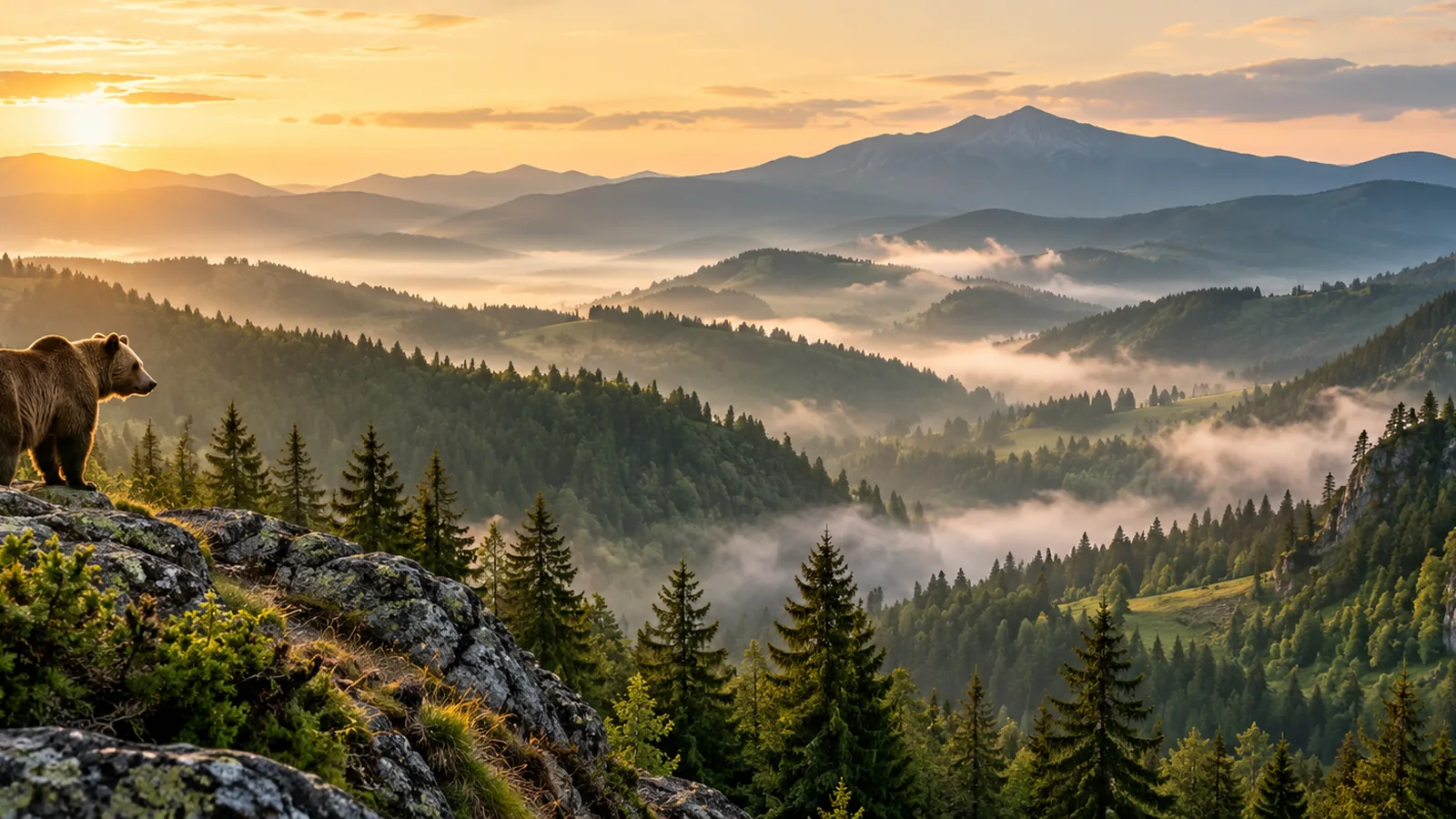
A journal of nature & thoughtful travel
Old forests. Returning wildlife. Journeys worth taking slowly. Explore a Europe shaped by nature, and find a more thoughtful way to travel through it.
A different kind of European journey
Europe's wild places are not always far from its villages and railway stations. They can begin at a woodland edge, follow a river through a working valley, or stretch across mountains shared by people and large mammals. Understanding them asks for time, local knowledge and a willingness to look beyond the familiar view.
Wild Europe Travel is an independent editorial publication about wilderness, rewilding and responsible journeys. Our name draws on the historical idea of conservation-minded, flight-free European travel. Today, this website publishes information and inspiration; it does not operate the former company's holidays or take tour bookings.
We connect the ecological story with the practical one. What is recovering in a landscape? How can you visit without adding pressure? Which station gets you close, and what happens after the train? These are the questions that shape our guides.
Meet the publication →Places with a wilder perspective
Slovakia
Quiet woodland, village stays and the patient work of understanding a forest. Begin with Poloniny and build a visit around permitted routes and local knowledge.
Explore Slovakia ↗Poland
Białowieża invites attention to forest structure and the life supported by old trees. Check the park authority for permitted visits and guiding requirements.
Explore Poland ↗Slovenia
Explore the southern forests through careful guiding and realistic expectations. Wildlife observation should fit the animals and the landscape, rather than demand an encounter.
Explore Slovenia ↗Croatia
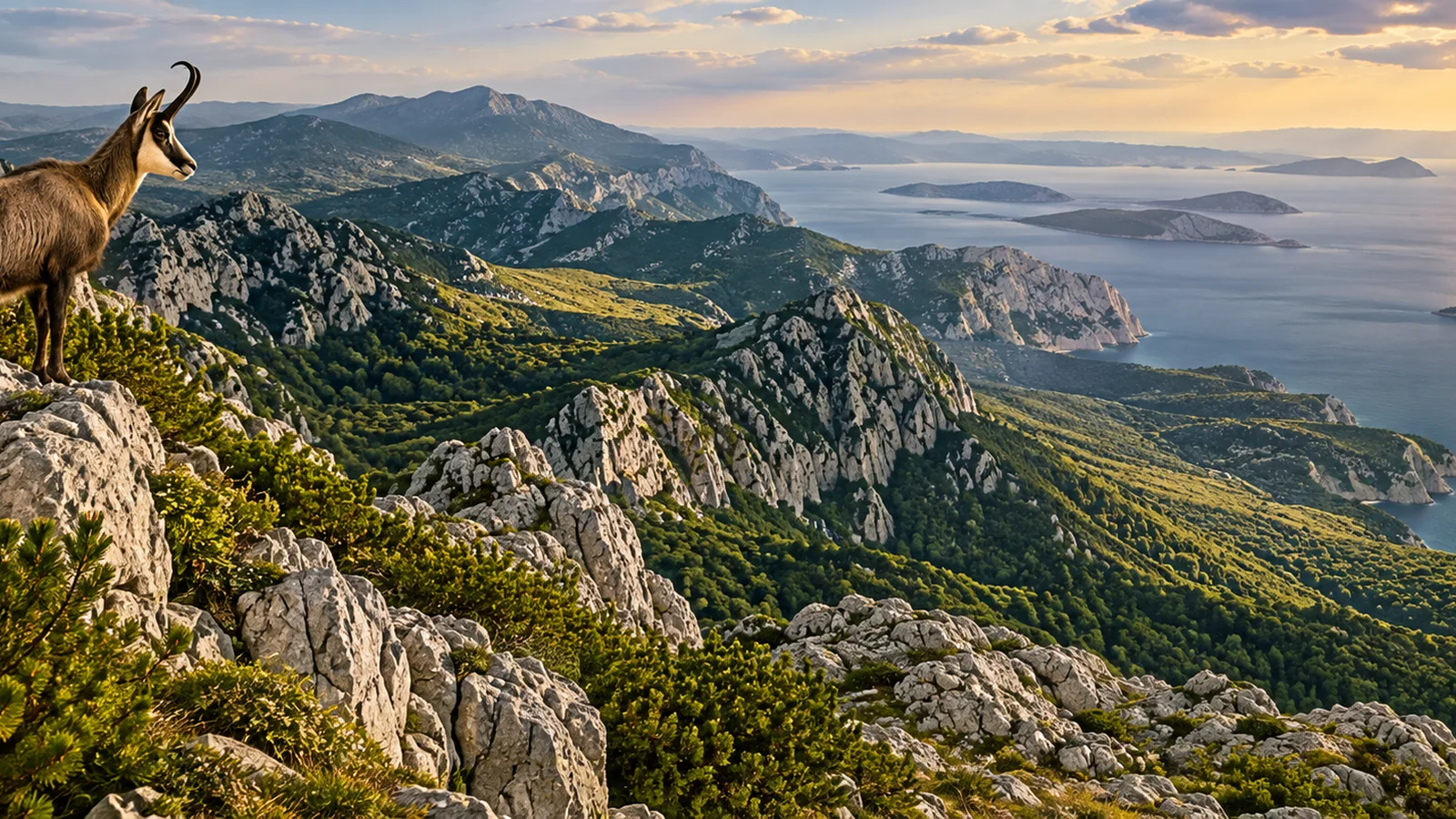
Velebit offers a shift from coastal travel to karst, forest and mountain weather. Give the inland journey its own time, with current park advice shaping the day.
Explore Croatia ↗Bulgaria
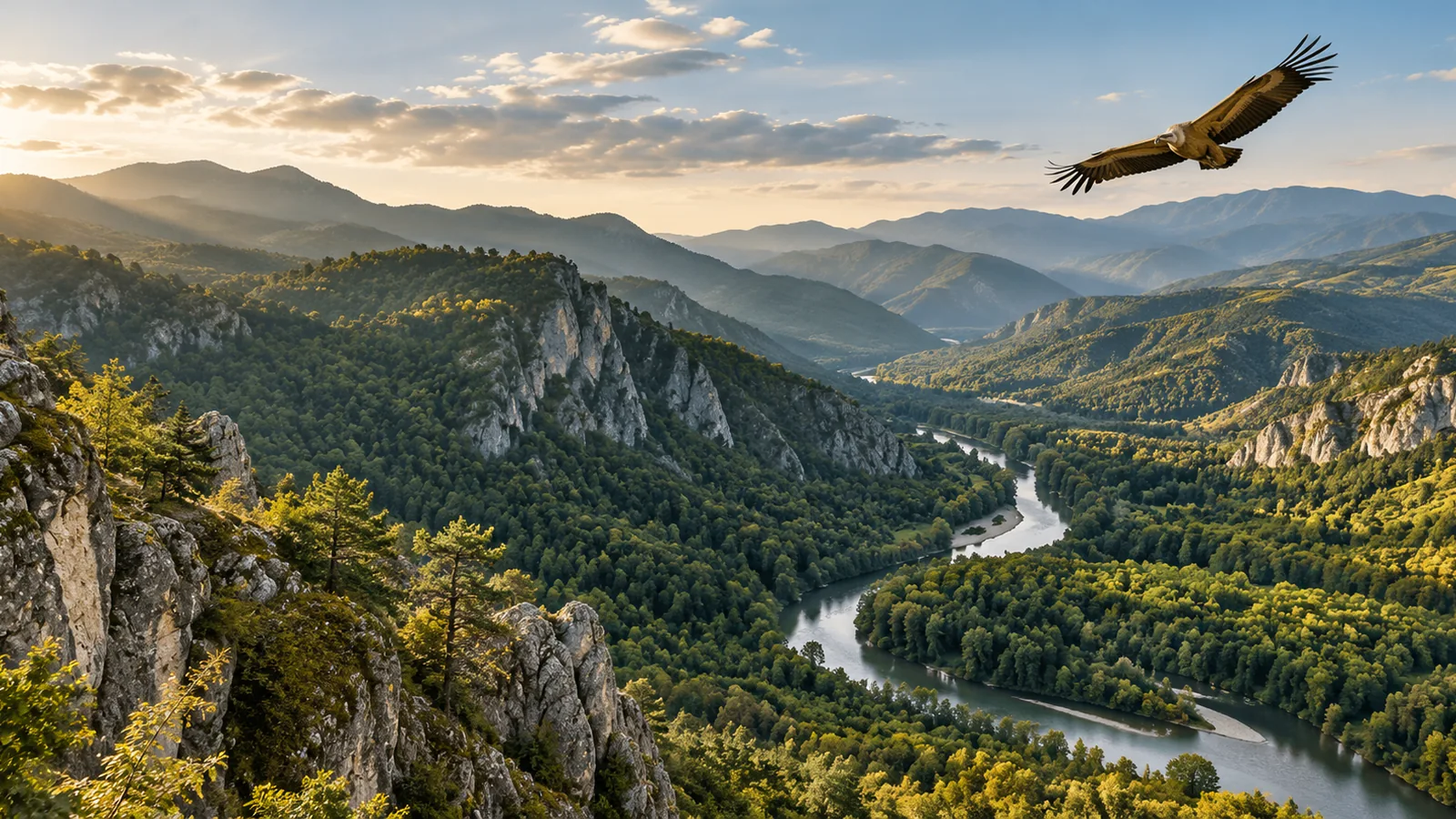
In the Rhodopes, follow the relationship between open ground, woodland and soaring birds. Local interpretation can connect a distant sighting with the wider conservation story.
Explore Bulgaria ↗Italy
Mountain villages and connected habitats offer a way to think about coexistence. Look beyond the protected-area boundary to the people and corridors between landscapes.
Explore Italy ↗Choose a landscape for what you want to understand, then check its particular access rules. A national park, a protected forest and a rewilding programme are different kinds of place; none is a promise of unrestricted access or guaranteed wildlife.
The bigger picture
Rewilding is about restoring the conditions in which natural processes can work. It may involve reconnecting habitat, allowing a river greater freedom or helping native species recover. The result is not necessarily a fixed image of pristine scenery. It is a landscape with more room to change.
Wildlife corridors matter because animals do not live within neat visitor boundaries. Forest, grassland, water and the spaces between protected areas form a connected story. Roads, farming and settlements also belong to that story, making local participation central to how recovery works.
Nature sightseeing can be rewarding without funding conservation. Conservation-minded tourism asks a further question: what does the visit support, and how is that support demonstrated? A clear explanation of a fee or partnership is more useful than a broad claim of being nature-positive.
Understand European rewilding →Start with Rewilding Europe's explanation for a conservation organization's account of the approach.
Encounters, without expectations
A glimpse is a privilege.
Understanding can last longer.
A naturalist-led walk can turn fallen wood, canopy gaps and a track in mud into an ecological story. In the Carpathians, begin with forest interpretation and let large-mammal encounters remain uncertain. Learning to notice is a richer goal than collecting sightings.
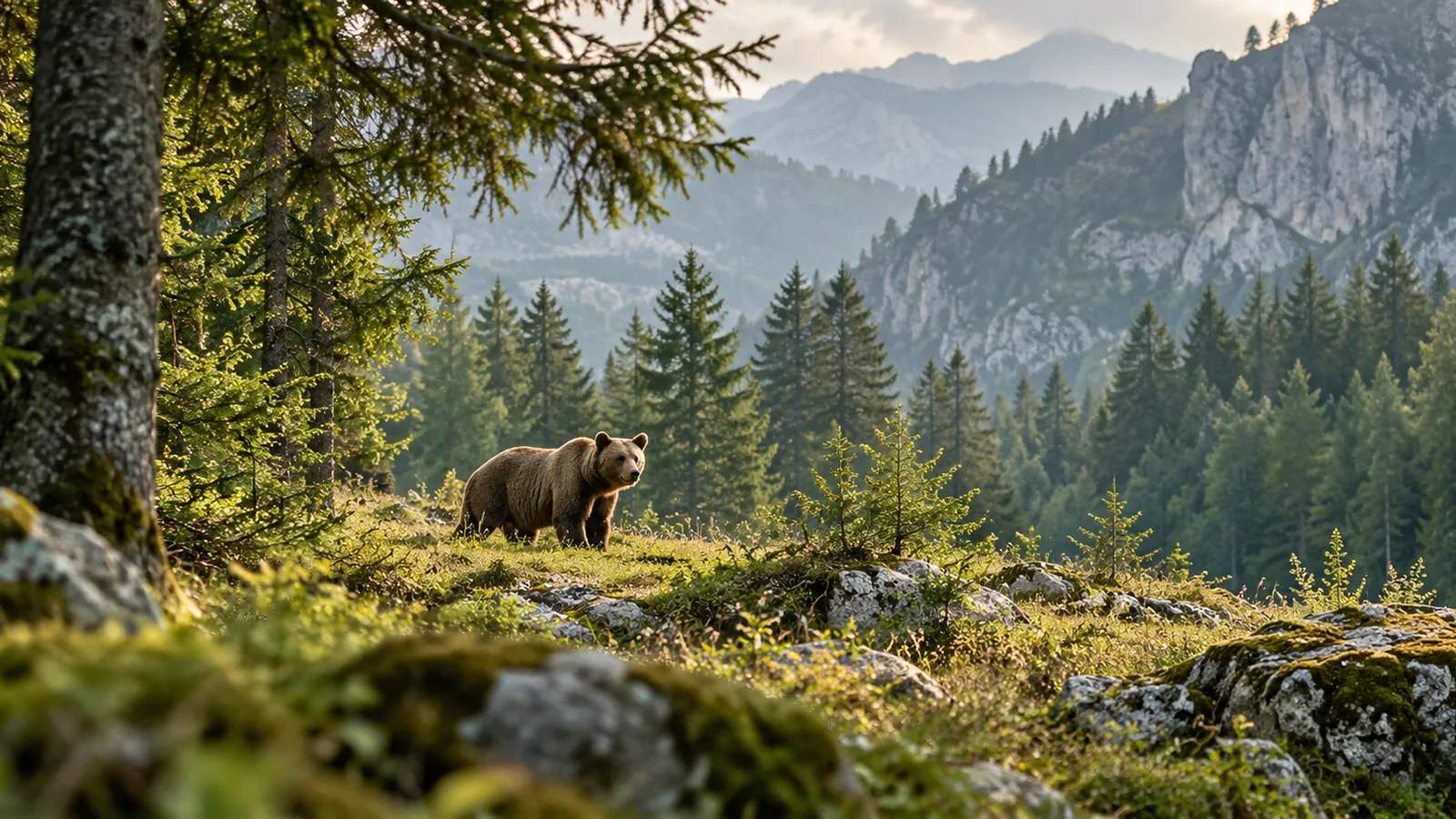
Bear observation needs careful provider selection and clear instructions. Ask about group size, site management, attractants and what happens if no bear appears. A distant animal behaving naturally is more valuable than a close view obtained by changing its behavior.
Raptors connect a landscape's open ground, cliffs and food webs. Observe from permitted viewpoints with binoculars rather than approaching nests. Rehabilitation centres need their own checks: visitor access should serve the animals' care, not turn recovery into a performance.
Choose a viewpoint that does not require pursuit, baiting or stepping beyond a permitted route. Check rules for flash and drones, keep sensitive locations private, and accept that the right decision may be to leave the camera in its bag.
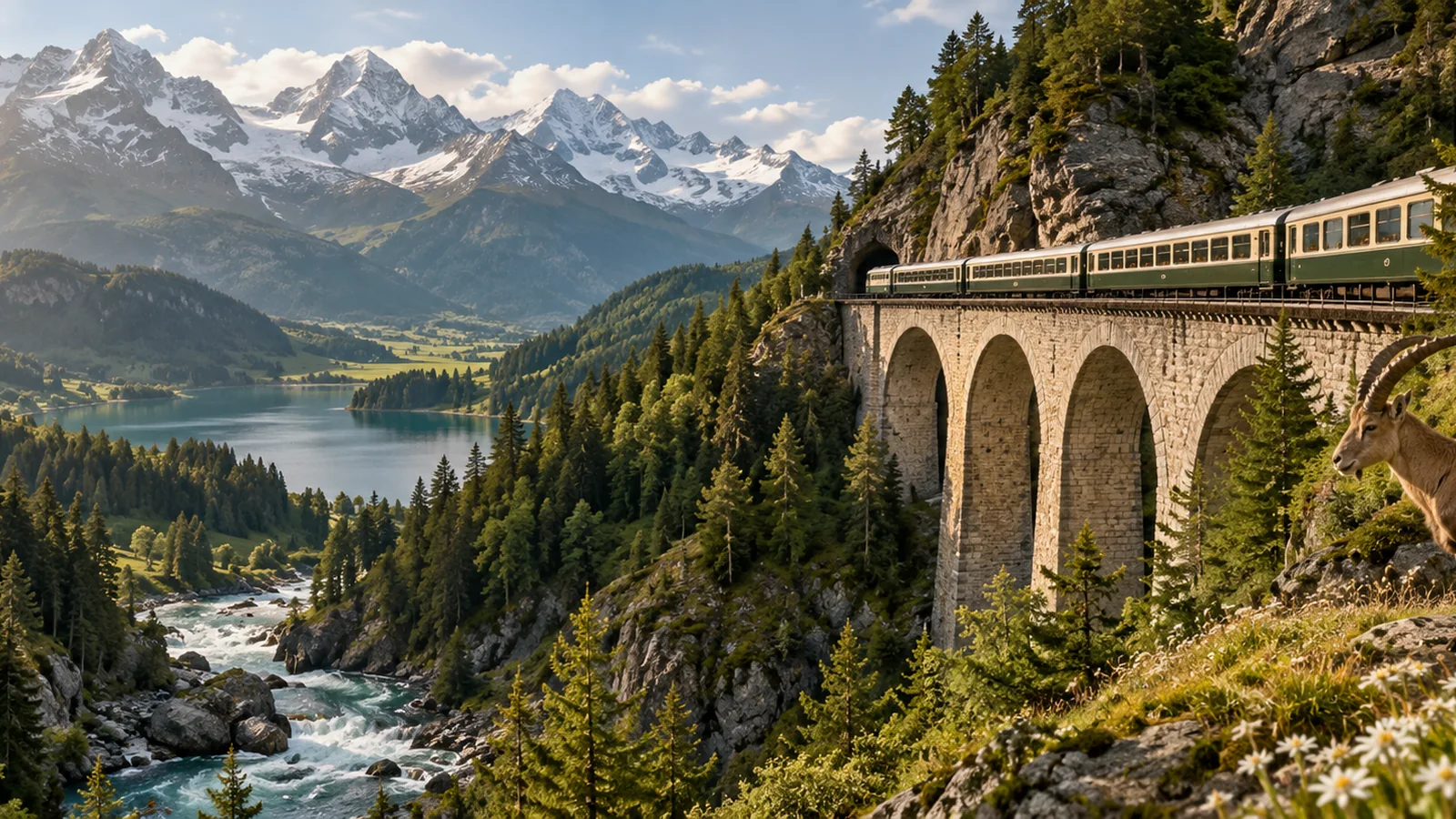
The journey belongs to the story
Flight-free travel can make Europe's changing landscapes part of the holiday. The practical route starts at the other end: identify your village, park entrance or meeting point, confirm the final transfer, and work backward toward the international train.
Allow space between separately booked services and check reservations independently of tickets or passes. A sleeper can be useful, but its early arrival still needs a plan for luggage, food and rest. Not every rural destination has an evening bus.
Pack for station stairs and onboard storage. Keep the itinerary simple enough to adapt. Flight-free does not mean impact-free, and an attractive rail route does not by itself establish a carbon-neutral holiday.
Plan a rail-based adventure ↗Before you leave
Check each operator's luggage rules rather than applying one allowance to a whole trip. If your journey includes Scottish rail travel, BaggageBase's ScotRail luggage guide is a secondary starting point; confirm final requirements with the operator. Keep essentials accessible and avoid equipment that makes every change difficult.
Find the correct entrance, visitor centre or guide meeting point. Check opening arrangements, accessible facilities and the return connection. For a park visit, the official authority is the right source for current access and parking information. A generic attraction listing cannot replace a day-of check.
Ask your host about locally provided meals, advance reservations and early breakfasts. Rural dining hours can differ from a city stop, and a train connection may leave little time to shop. Carry food for reasonable delays, respect dietary needs and leave room to discover regional cooking without treating every meal as a scheduled attraction.
Notes from the wider landscape
Wildlife & Rewilding
Understand European rewilding, from connected forests to restored food webs, and choose a visit that respects nature and local communities.
Read the story ↗Destinations
Plan a forest-focused visit to Slovakia’s Poloniny National Park, with advice on access, guided walks, wildlife expectations and local stays.
Read the story ↗Destinations
Explore Slovenia’s forest wildlife with practical advice on responsible bear observation, choosing guides and planning a patient nature trip.
Read the story ↗Flight-Free Travel
Build a realistic flight-free European nature trip, from railway gateways and rural transfers to reservations, luggage and flexible travel days.
Read the story ↗Wildlife & Rewilding
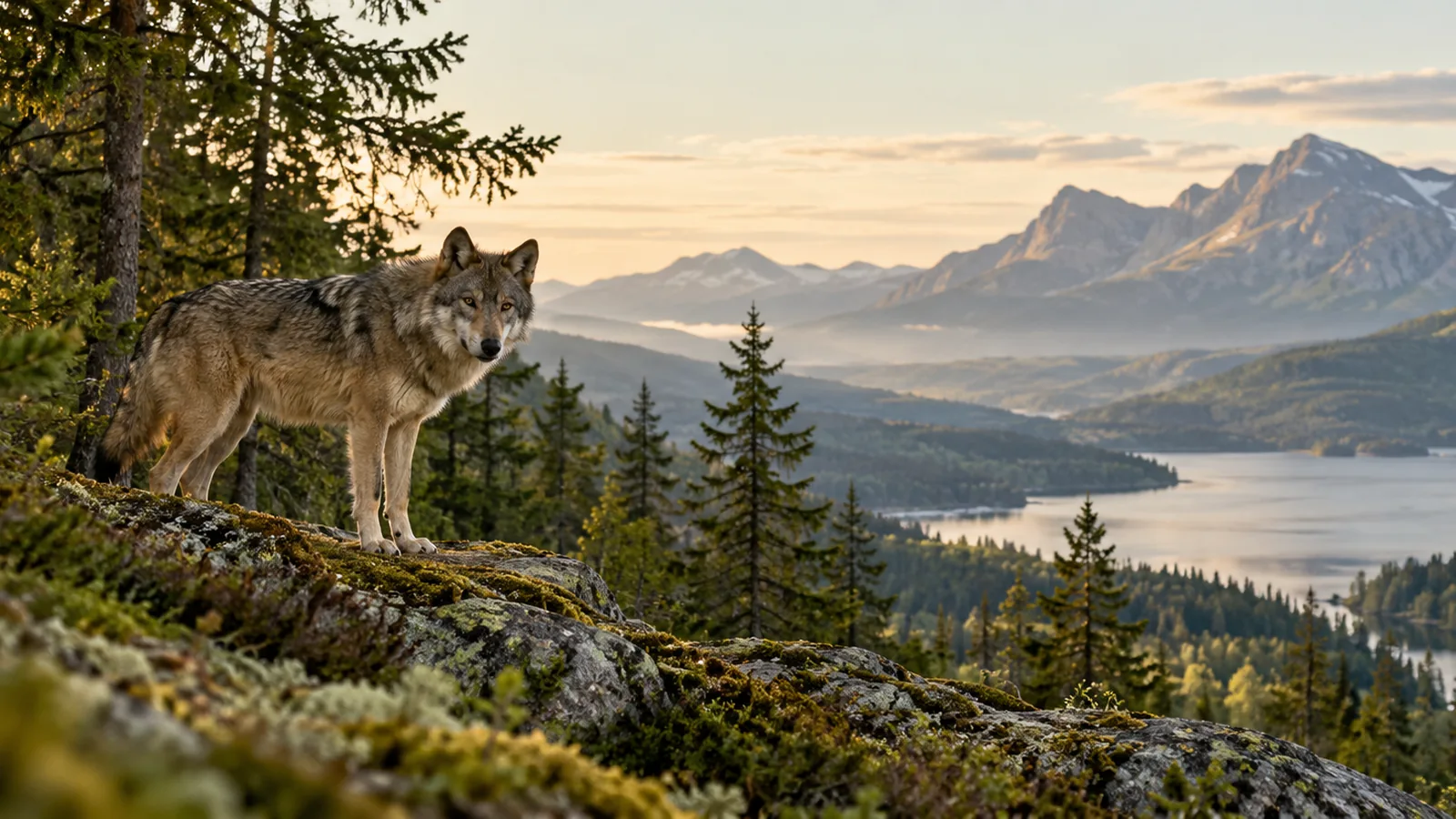
Understand the return of wolves in Europe, the challenges of coexistence, and how visitors can learn about wolf landscapes without disturbing wildlife.
Read the story ↗Destinations
Look beyond Croatia’s shoreline to Velebit forests and karst, with practical advice for mountain access, visitor centres and responsible wildlife travel.
Read the story ↗Destinations
Discover Bulgaria’s Rhodope landscapes through vultures, grazing and rural communities, with guidance for a responsible, well-planned nature visit.
Read the story ↗Flight-Free Travel
Plan a European wildlife holiday with fewer rushed transfers, careful guide selection, realistic conservation claims and practical wildlife ethics.
Read the story ↗A thoughtful travel practice
Good intentions become useful through specific choices. These principles shape a visit that respects both the landscape and the people who live there.
Build your own careful itinerary →Never demand a sighting, feed wildlife or pursue an animal for a photograph. Follow competent local instructions and respect seasonal closures, breeding areas and the decision to turn back.
Pay fairly for guiding and accommodation, ask before entering private land, and treat villages as living places. A longer stay can create more meaningful connections than several hurried stops.
Look for a named programme and a clear funding mechanism. A conservation label does not prove that every booking benefits nature, and a donation does not purchase special access.
Use serviceable equipment, manage waste carefully and plan fewer transfers. Check water and energy practices without expecting a perfect holiday. Honest trade-offs are more useful than unsupported claims of zero impact.
A few useful answers
Clear expectations make room for a better experience.
An independent English-language publication about European wilderness, rewilding and thoughtful travel. It is an editorial resource, not an active tour operator or a booking service.
It is a chance to understand recovering ecological processes and the people involved. Access depends on the location; a restoration project is not automatically a visitor attraction or an unrestricted walking area.
Many journeys can be built around rail, but rural destinations often need a bus or arranged transfer. Start with the actual activity location and confirm the final connection before booking the international section.
No. Animals move freely, and weather and access can change an outing. Choose guiding that remains valuable through habitat interpretation and accept decisions made to avoid disturbance.
No. Benefits depend on how the visit is managed and where the money goes. Ask for specific evidence behind conservation contributions, and consider disturbance, transport and local capacity as well as spending.
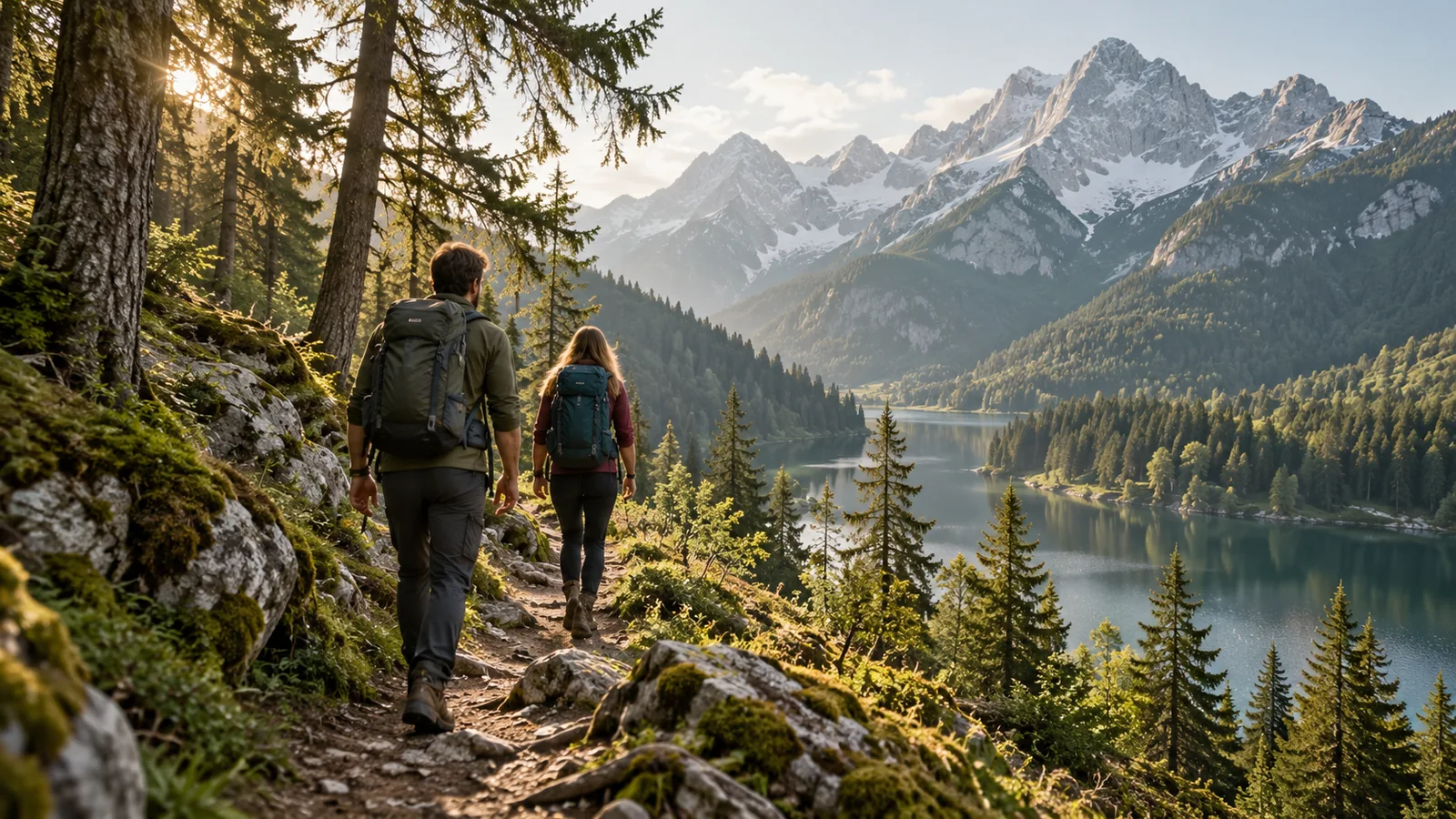
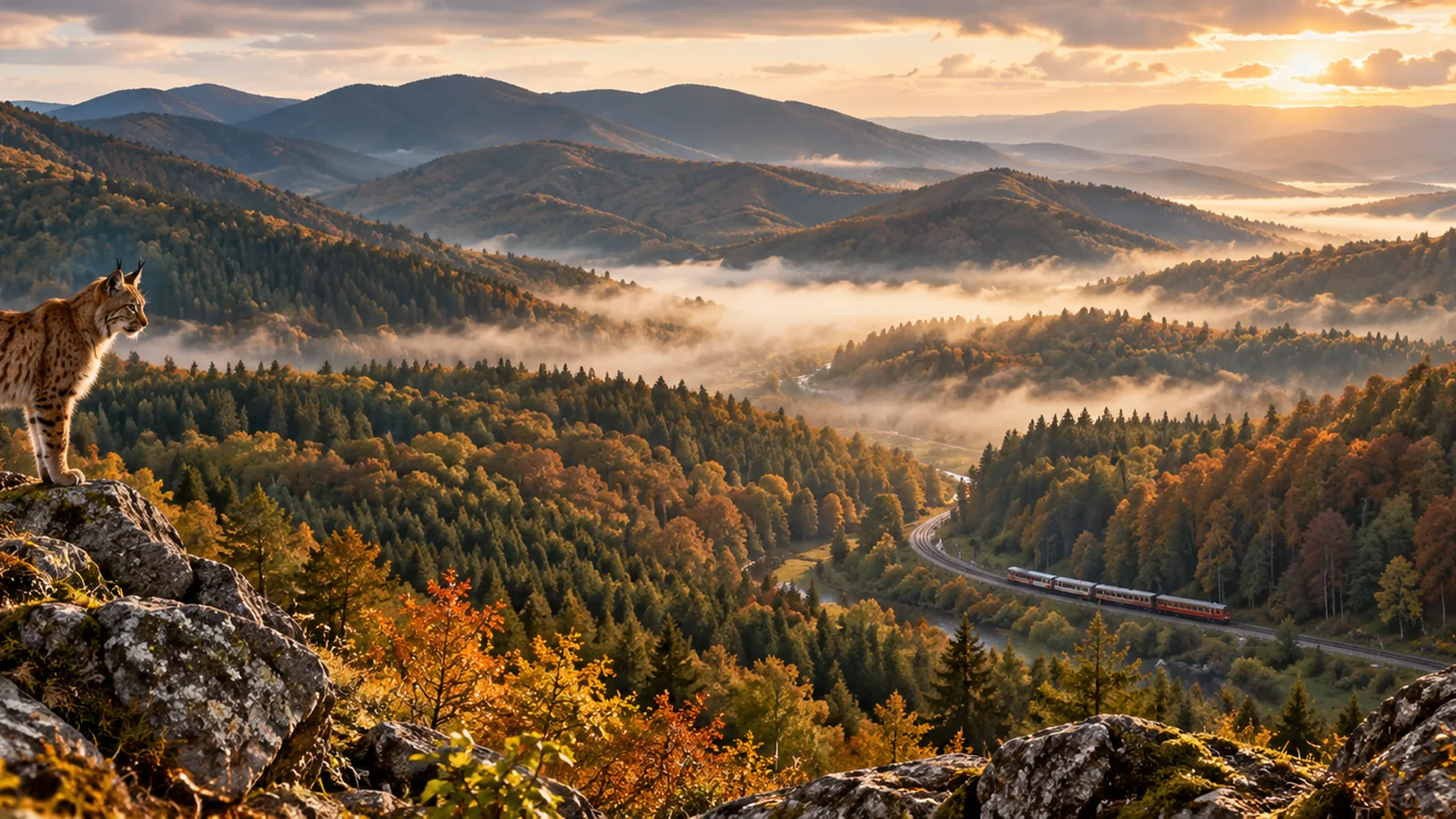
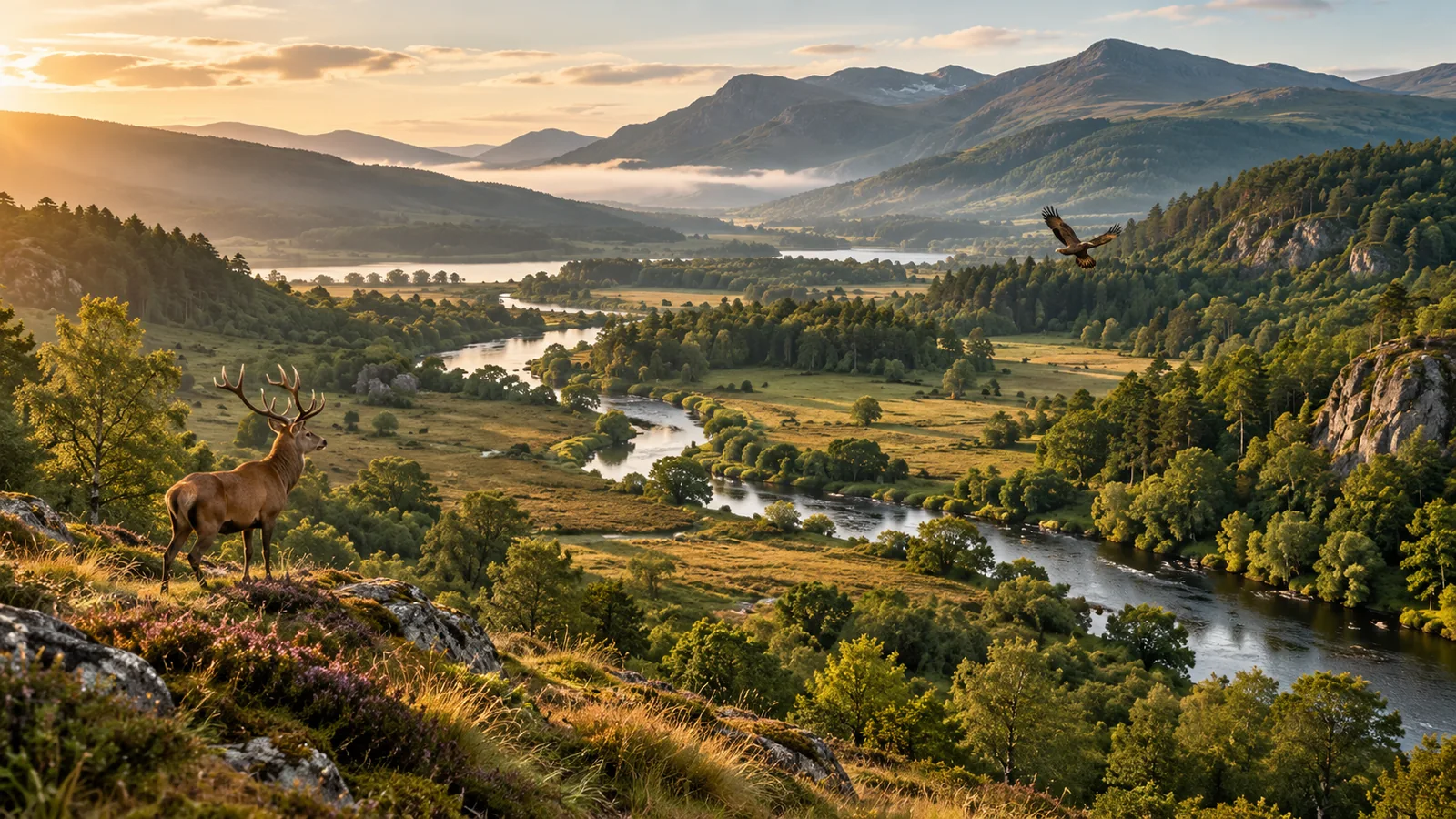
No. The images are AI-generated editorial illustrations. They evoke landscapes and wildlife themes, but do not document a visit, sighting or exact viewpoint. Sources and practical guidance should be checked separately.
Your next chapter
Start with the forest, valley or journey that interests you most. Read its story, check the practical details and leave enough time for what cannot be planned. Europe's wilder side is worth approaching with patience.
Open the destination notebook ↗