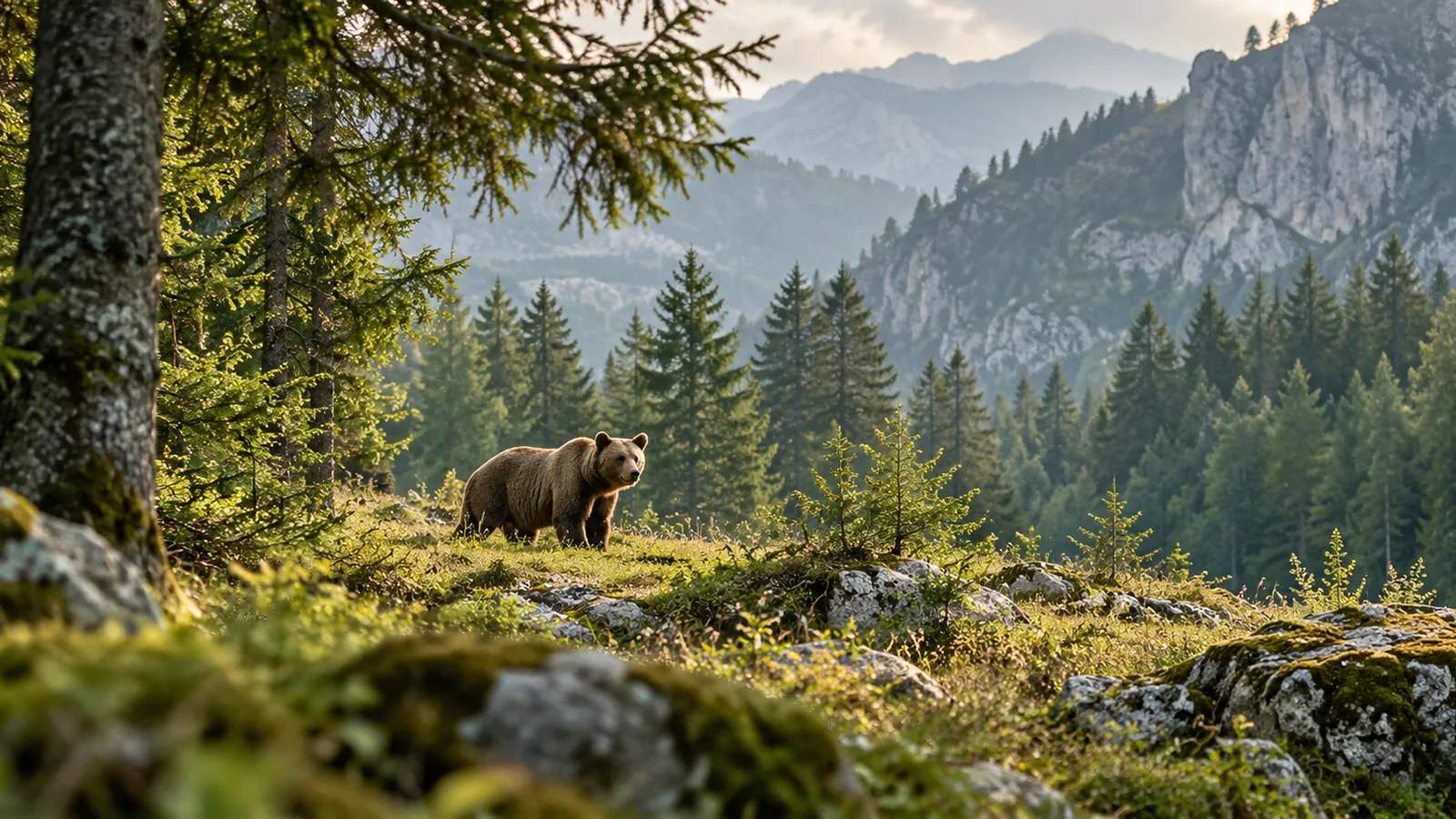
Slovenia offers forest-based wildlife experiences, including organized brown bear observation in parts of the country's southern woodland landscapes. The responsible approach is to choose a well-run local activity, follow its safety instructions and accept that wild animals may not appear. Build the trip around habitats and interpretation rather than a promised close encounter.
Look beyond the familiar mountain image
Slovenia is often associated with Alpine views, but a wildlife trip can have a different geography. Southern forest and karst landscapes offer another perspective on the country. Check the location of an experience carefully rather than assuming it is a short extension from a mountain resort.
Notranjska and the wider Dinaric forest setting are useful starting points for research. The official Notranjski park website describes a bear-watching experience, while Slovenia's public guidance explains responsible conduct in nature. These sources help separate destination inspiration from the practical instructions needed for a particular outing.
Choose a bear experience by its practices
Ask how the observation is organized, who accompanies visitors and what instructions apply. A hide may reduce unnecessary movement, but it does not automatically establish that every element of the operation is responsible. Find out how site management, visitor numbers and animal behavior are handled.
Ask directly about feeding and attractants. Practices differ, and some observation sites are associated with wildlife management feeding areas. A useful answer explains the local context and welfare considerations instead of avoiding the question. Do not bring food for animals or attempt to influence their movement yourself.
A sighting is never owed to the visitor
Wildlife does not respond to an appointment. A bear may remain in cover, approach late or leave quickly. The guide's decision to end an outing or keep visitors still should take priority over getting a photograph. Avoid operators that frame a close encounter as an entitlement.
Prepare for waiting. Quiet clothing, comfortable layers and a realistic understanding of the session help more than an elaborate equipment list. Ask the organizer what you may bring, whether food is allowed in the observation area and how departure is managed after dusk. Follow the instructions for that specific activity.
Forest walking is a different activity
A guided bear observation and an ordinary woodland hike have different purposes and procedures. Do not use advice for one as a substitute for instructions for the other. For walks, consult current Slovenian guidance on visiting areas used by large carnivores, and ask a local guide about the planned route.
Keep dogs under the control required by local rules and consider whether bringing one is appropriate at all. Keep food and waste secure. Never approach an animal, a cub or a carcass. If an encounter occurs, follow authoritative local advice; a generic internet checklist cannot account for every situation.
Make space for smaller observations
A wildlife holiday becomes more resilient when it includes more than one species. Birds, forest structure, seasonal plants and karst landforms can shape an absorbing day even without a large mammal. Ask guides which subjects are appropriate for the season and accessible without disturbance.
Binoculars are often a better first purchase than a longer camera lens. They let you observe without moving closer. Avoid playback to attract birds unless an authorized activity has a justified protocol; even a small disturbance can matter around breeding or roosting sites. The same restraint applies to drones and bright lights.
Match transport to the actual meeting point
A rail journey to Slovenia can form part of the trip, but the wildlife site may not be near a station. Confirm the final meeting point and transfer arrangements before buying a nonflexible train ticket. Do not infer that a destination marketed as green includes public transport to every activity.
Ask whether a guide offers collection from an agreed town or accommodation. A shared transfer may be practical, particularly for an evening observation. Make sure the return arrangement is explicit: a bus available in the afternoon may not run after the activity ends. Our flight-free travel guide covers these connection gaps.
Stay longer in one base
Several nights in one area leave room for weather and reduce the temptation to turn a missed sighting into a hurried search elsewhere. Choose accommodation for its proximity to suitable activities, food options and transport, rather than the broad promise of wilderness.
Ask about quiet hours and outdoor lighting if the property emphasizes nature. A lodge can offer comfortable rooms while managing waste, water and wildlife attractants carefully. Those practical choices are more meaningful than broad claims about being completely sustainable. See our low-impact holiday guide for questions to use before booking.
Photograph without changing the encounter
Check rules for flash, shutter noise, movement and equipment before the session. A photograph taken from farther away can show habitat as well as the animal. Do not publish a precise location for a den, sensitive breeding site or an animal whose safety could be affected by attention.
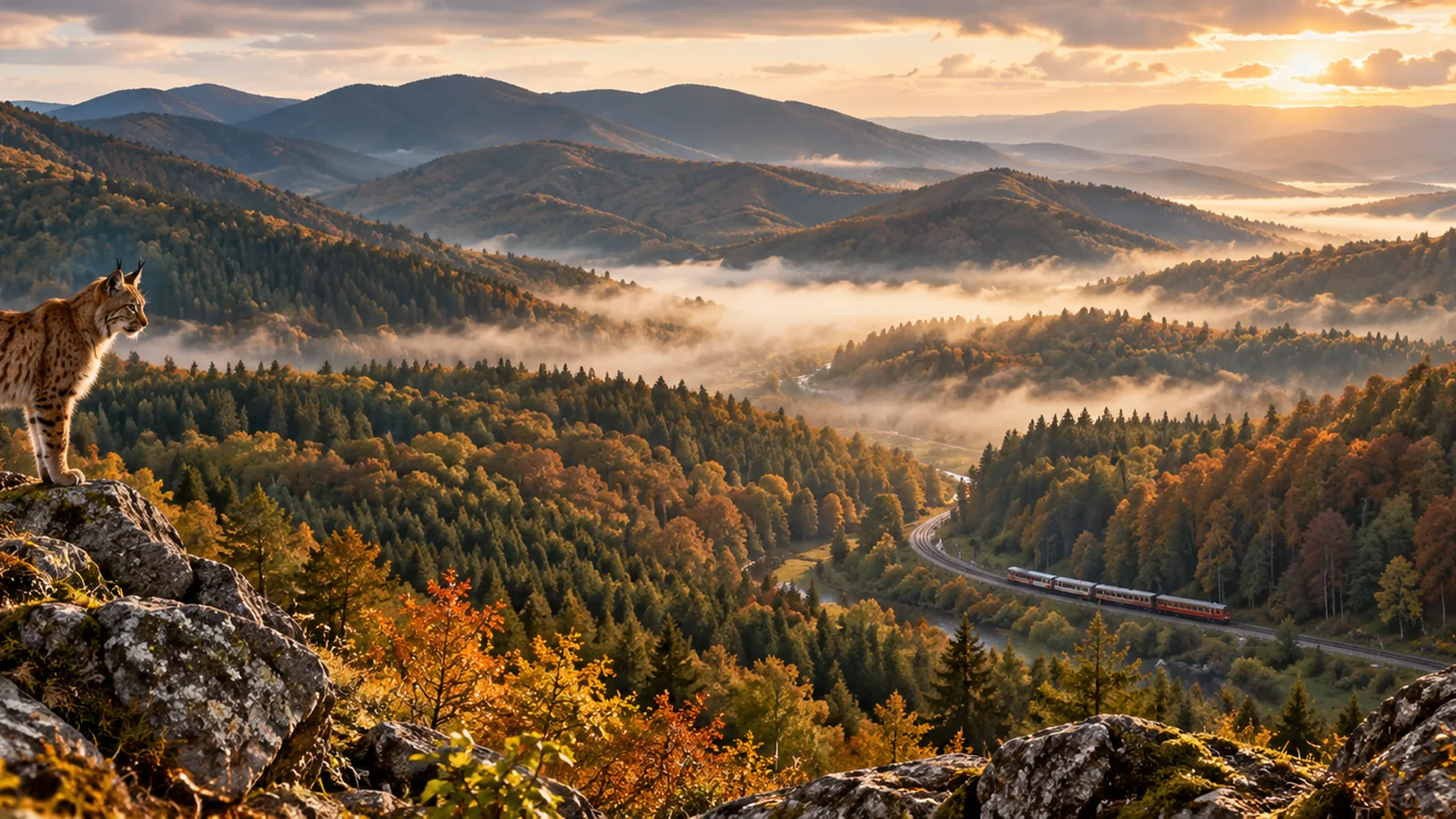
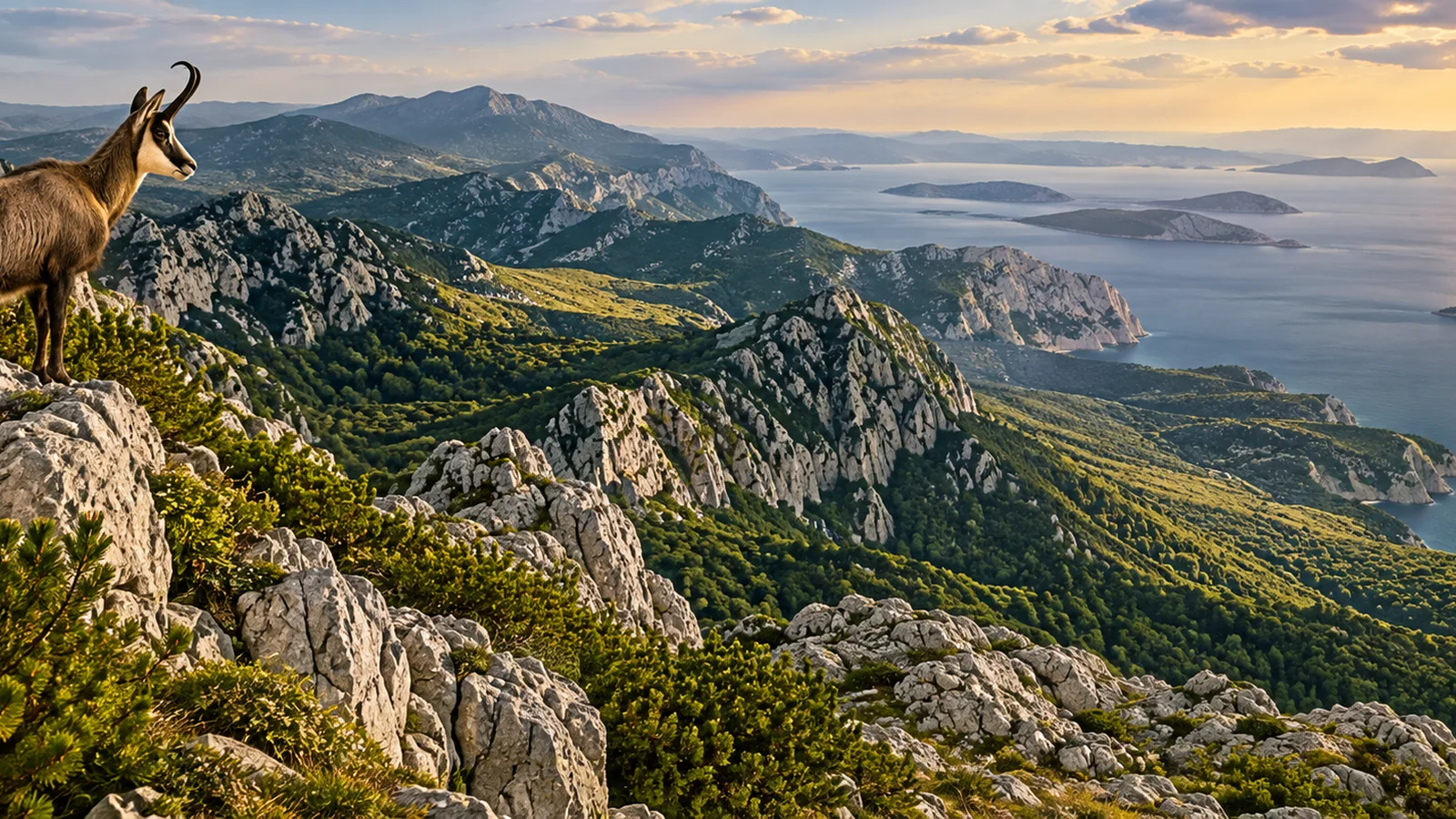
Be transparent about images. A generated illustration, a captive animal and a wild observation are different things. Our site's wildlife illustrations are AI-generated and do not record a visit or sighting. Travelers should apply the same clarity to their own stories and avoid implying more access than actually occurred.
Common planning questions
Is every bear-watching trip suitable for children?
No. Ask about minimum ages, waiting time, silence requirements and facilities. Suitability depends on the particular experience and child.
Is a hide a guarantee of a sighting?
No. It is an observation setting, not control over a wild animal's movements.
What if my main activity is canceled?
Have a permitted forest walk, interpretation centre or town visit as an alternative. Respect cancellation decisions made for weather, access or animal welfare.
Let the forest set the pace
The strongest memory may be a brief glimpse, a distant sound or a guide's explanation of an ordinary tree. A thoughtful wildlife trip makes room for all three without demanding more from the animals.
Source notebook
References & further reading
Sources checked 31 October 2026. These references support the geographic and ecological context. Planning recommendations are editorial advice; confirm current access, services and activity arrangements directly.