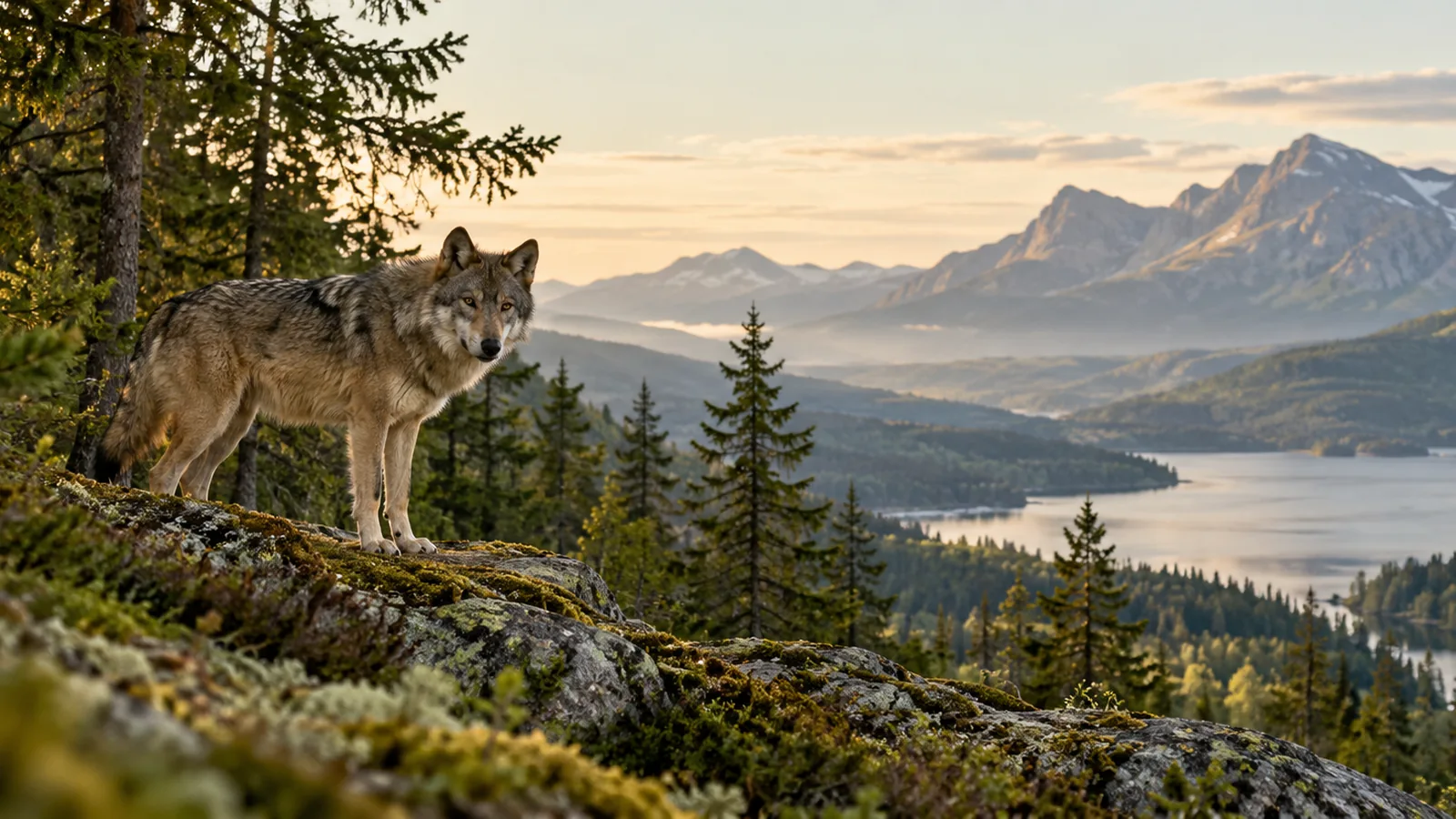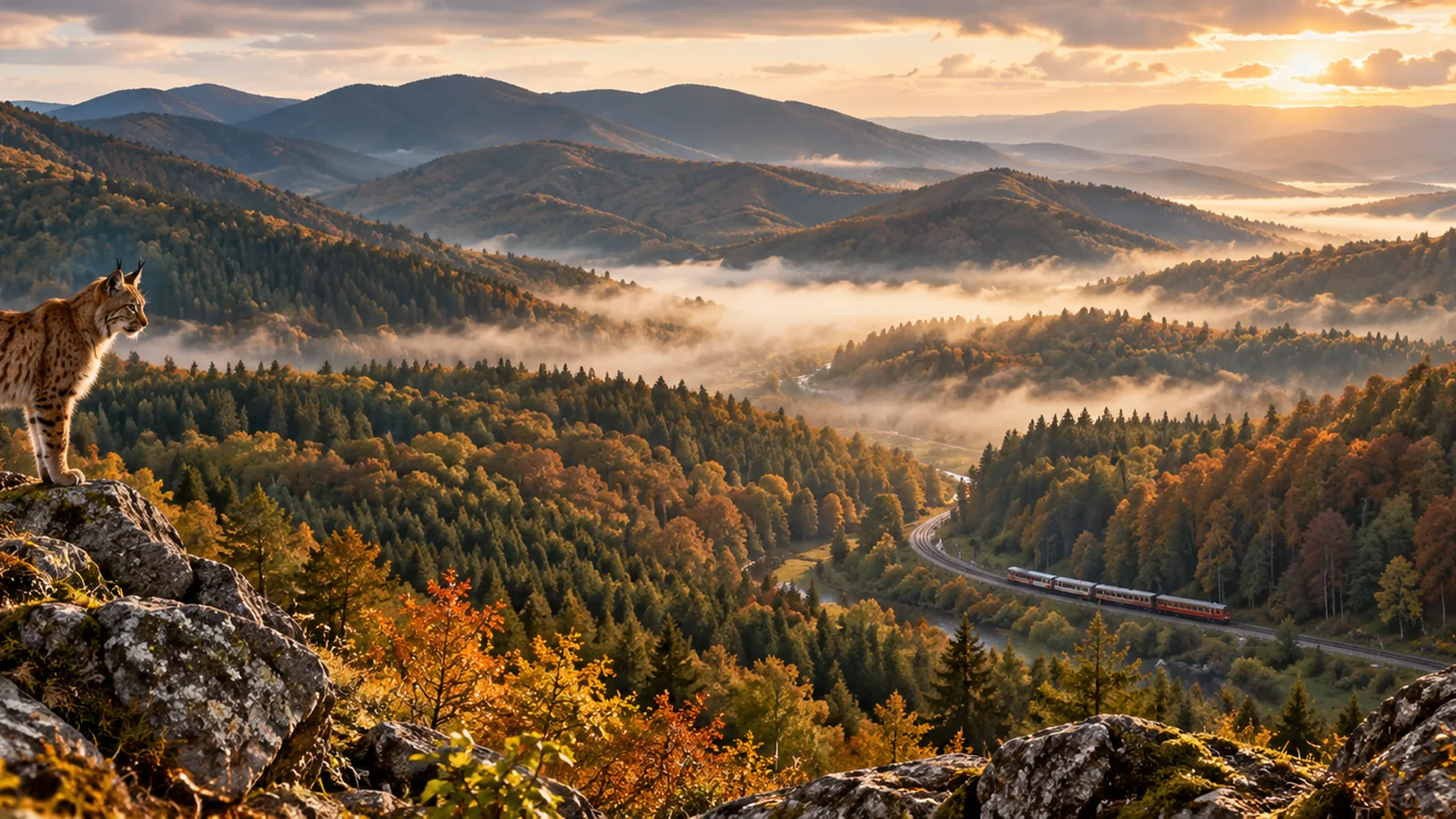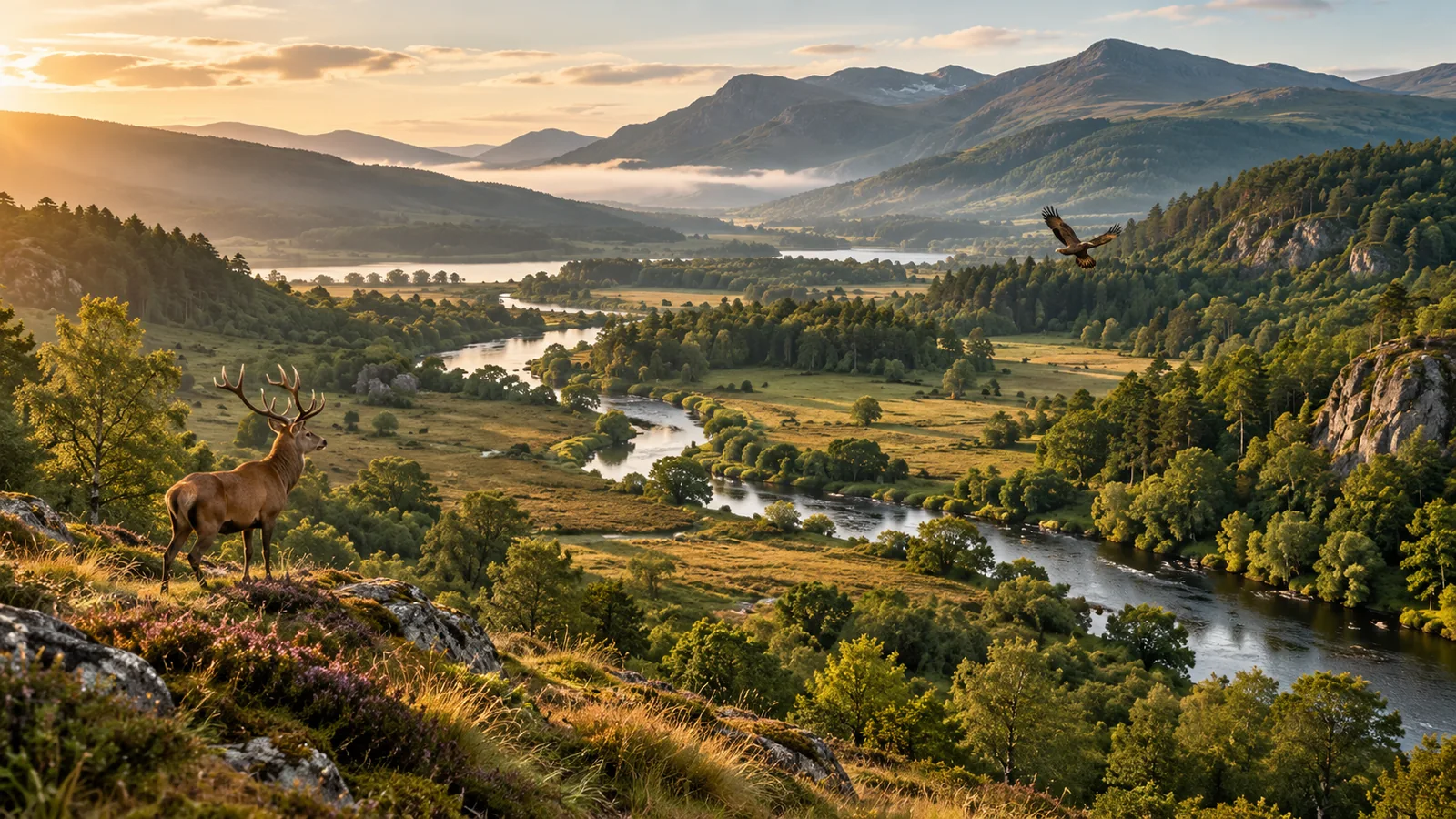
Rewilding in Europe means helping natural processes recover: rivers move more freely, native animals shape habitats, and damaged ecosystems regain connections. For visitors, the most rewarding places are not necessarily those promising the closest wildlife encounters. They are landscapes where recovery can be understood, access is managed, and local people have a meaningful place in the story.
Start with a process, not a postcard
A forest photograph cannot show whether a landscape is recovering. Neither can a single animal sighting. Look instead at the relationships between water, vegetation, grazing animals, predators and the people who use the land. A wetland may be changing because drainage has been reduced. A valley may become more varied as grazing and woodland regeneration interact.
Restoration does not always create a tidy or familiar landscape. Fallen trees, muddy riverbanks and uneven scrub can be part of a functioning ecosystem. The visitor's task is to understand why they matter, rather than judge the place against an image of landscaped countryside. Rewilding is a long undertaking, with different starting points and uncertain outcomes.
Choose the landscape that matches your curiosity
Central Apennines, Italy
The Central Apennines offer a way to think about connections between protected mountain areas. Rewilding Europe's landscape programme describes coexistence work linking wildlife movement with local communities. For a traveler, that makes village stays, interpretation and responsible movement between mountain valleys as interesting as the search for an individual animal.
Rhodope Mountains, Bulgaria
In the Rhodopes, open ground, woodland and rocky valleys provide a useful setting for learning about scavengers and grazing. Watching a distant vulture can open a much wider conversation about food webs, land management and threats outside the boundaries of a reserve. Choose a guide who can explain these connections rather than simply identify birds.
Old forests and protected landscapes
Poloniny in Slovakia and Białowieża in Poland are valuable places for understanding forest ecology. Do not assume that every protected forest is a formally designated rewilding project. Long-standing protection, active restoration and rewilding overlap, but they describe different histories and management choices. Our Poloniny guide takes a closer look at a forest-focused visit.
What to ask before joining an activity
Ask who manages the land, what the visitor fee supports, and whether the outing uses established routes. If an experience claims to fund conservation, request a specific explanation: a named recipient, a clear contribution or a documented partnership. A green logo alone cannot answer those questions.
Ask about group size, seasonal restrictions and how guides respond if wildlife changes its behavior. A worthwhile experience can end without a sighting. The operator should have a plan for that outcome and avoid presenting it as failure. Habitat interpretation, tracks and the sounds of the landscape can still make a day informative.
Tourism can help, but it also creates pressure
Locally owned accommodation and guiding can keep more visitor spending in a rural economy. That does not make every visit beneficial. Traffic, disturbance and demand for dramatic photographs can put pressure on the same places tourism celebrates. Choose longer stays with fewer transfers and activities that fit the area's capacity.
Treat local residents as participants rather than scenery. Working landscapes can involve farming, forestry, hunting traditions and disagreements over wildlife. Ask questions without assuming that everyone shares a visitor's priorities. Good interpretation gives space to those tensions instead of presenting recovery as a story without costs.
Read recovery critically
A useful project description separates completed work from ambition. Look for the starting condition, the action taken, and the evidence used to track change. A species release is an intervention; it is not, on its own, proof of a self-sustaining population or a healthier ecosystem.
Avoid comparing landscapes with a single score. Forest recovery, river restoration and coexistence initiatives work at different scales. Their results depend on land ownership, climate, neighboring land use and sustained community support. Responsible reporting acknowledges these differences rather than declaring one place the wildest in Europe.
Build a visit around learning
Allow a day to understand the area before arranging a demanding outing. Visit an interpretation centre, read local information and ask about current access. Then choose a walk or guided activity with a clear purpose, such as understanding woodland structure or observing birds from a permitted viewpoint.
Combine this with a practical travel plan. A rail arrival into a nearby city may still require a bus or prearranged transfer. Our flight-free planning guide explains how to connect the long journey with the final rural leg. Do not allow a transport gap to become an excuse for an improvised drive into restricted habitat.
Questions about visiting rewilding landscapes
Is rewilding the same as leaving land alone?
Not always. Removing barriers or restoring missing ecological functions may require action. The intention is to give natural processes more scope over time, within the realities of a shared landscape.
Can visitors take part in restoration?
Sometimes, through organized activities with clear supervision. Do not plant trees, move animals, collect seeds or alter waterways independently. Good intentions do not replace permission and ecological knowledge.
Will I see large mammals?
Possibly, but no responsible guide can promise wild animals on demand. Choose a visit that remains worthwhile without a close encounter.
Leave with a better question
Instead of asking only what you saw, ask what allows the landscape to work. That shift makes an ordinary walk richer and gives conservation claims a more useful test. A successful visit can deepen understanding while leaving wildlife undisturbed.
Source notebook
References & further reading
- Rewilding Europe: what is rewilding?
- Central Apennines landscape programme
- Rhodope Mountains landscape programme
Sources checked 31 October 2026. These references support the geographic and ecological context. Planning recommendations are editorial advice; confirm current access, services and activity arrangements directly.